
 Việt Nam
 ພາສາລາວ
 中文
中文
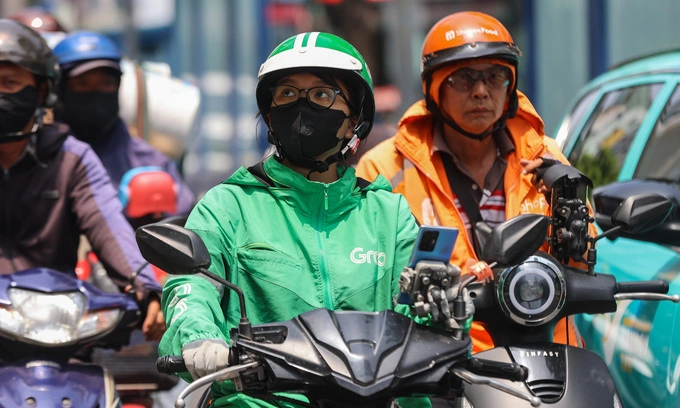
While Grab applies a flexible commission rate per trip, Be and GreenSM utilize a fixed revenue-sharing model.
Last weekend, some Grab drivers in the country turned off their apps to protest the platform's "flexible app usage fee" mechanism. This policy of varying revenue-sharing rates has resulted in lower take-home pay per trip for drivers—dropping to 50–75% compared to the previous fixed range of 67–73%.

Ride-hailing platforms typically retain a portion of the fare (known as a commission or service fee) to maintain systems, upgrade technology, and pay taxes. However, each company employs a different formula for distributing earnings to its driver-partners.
Representatives from Be Group and GreenSM stated that they use a fixed revenue-sharing mechanism. For Be Group, the driver's share of the total fare is 63.6% in Hanoi and 69.4% in Ho Chi Minh City; this difference stems from varying fare levels and market conditions. The platform's representative noted that these rates have remained stable since 2024.
Minh Nhan, a student who drives for beBike on the side, confirmed that the take-home rate is fixed and excludes costs such as insurance. For instance, on a trip of approximately 2 km from Pham Van Bach to Nghia Tan (Hanoi) costing 20,000 VND, he receives over 12,700 VND. The app provides drivers with a breakdown of the fees paid to the platform and personal income tax deductions for each trip.
Meanwhile, GreenSM applies a revenue-sharing rate of up to 90% for two-wheelers and 85% for four-wheelers (excluding VAT). However, some car drivers who joined the platform from the beginning of 2025 receive a revenue share that is approximately 5% lower. Based on the total fare, the driver's actual take-home pay amounts to approximately 73%–83%.
In addition to the partnership model involving owner-drivers (referred to by GreenSM as the "platform" model), the company recruits drivers to operate company-owned four-wheeled vehicles; these drivers receive a base salary of 4.1–5.3 million VND per month and a revenue share of up to 60%.
Unlike the aforementioned platforms, Grab employs a flexible revenue-sharing mechanism known as a "dynamic app usage fee." This fee fluctuates based on the specific trip, timing, and various operational factors. Consequently, the ratio of the driver's earnings to the total fare paid by the passenger varies from trip to trip.
Based on an average of 26 two- and four-wheeled trips surveyed by VnExpress between September 10 and 12—and excluding insurance and carbon offset fees—the drivers' actual take-home share of the total fare was approximately 64.6% for two-wheeled vehicles and 65.6% for four-wheeled vehicles.
Despite requests for clarification, the platform declined to provide further details regarding its flexible revenue-sharing mechanism.